
Defibrillators
Defibrillators Services Offered in
A defibrillator is a small device that watches your heartbeat and delivers a brief electrical pulse when a dangerous rhythm takes over. That pulse can restore a steady beat before the problem becomes life-threatening. Bulent Zaim, MD, and the team at Bay Cardiology in Annapolis and Bowie, Maryland, can help you learn whether defibrillators belong in your heart care plan. Contact Bay Cardiology
today to book a visit, or schedule online at a time that suits you.
Defibrillators FAQ's
What are defibrillators?
Defibrillators correct dangerous heart rhythms by delivering a controlled electrical shock. Two kinds matter most.
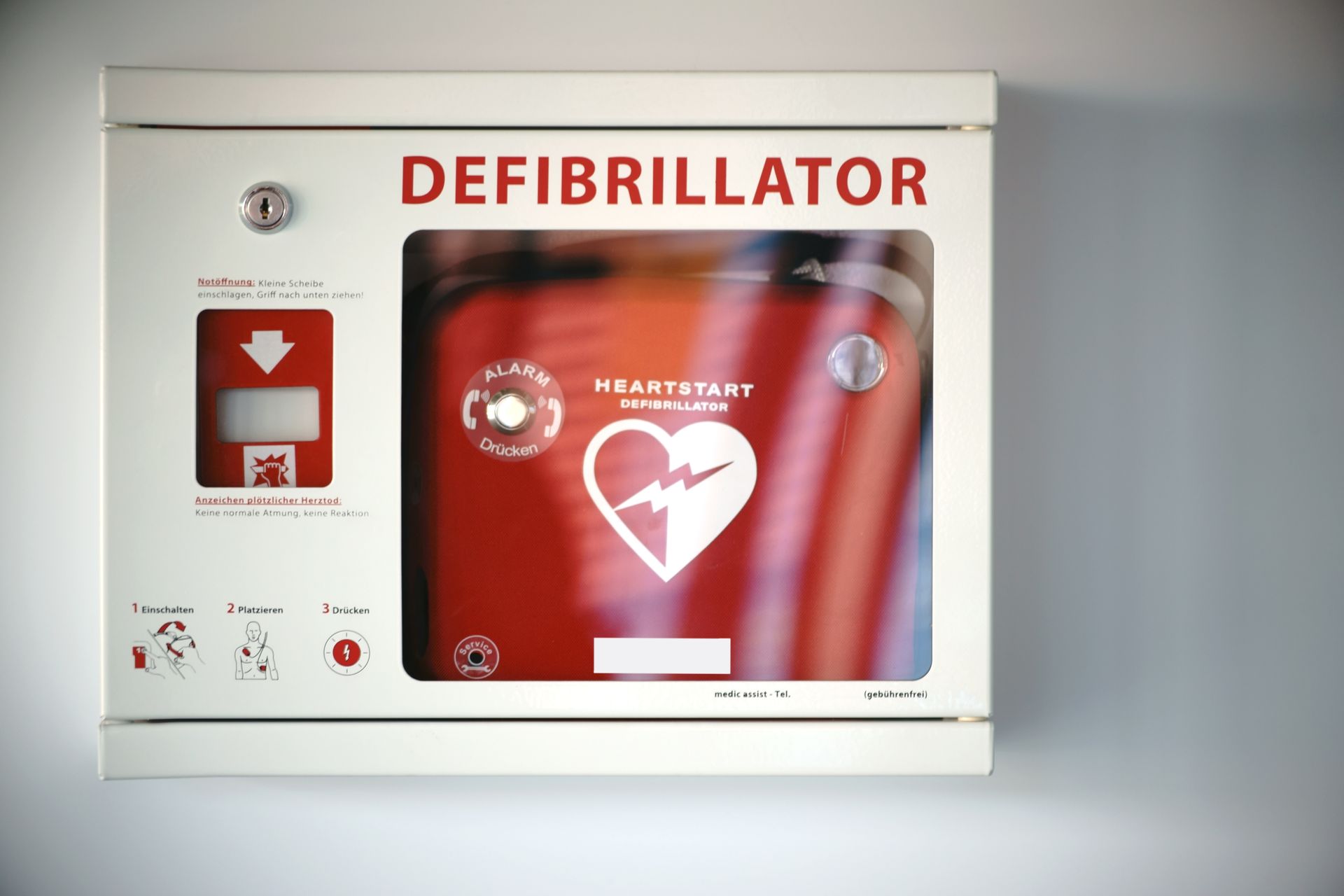
An automated external defibrillator (AED) sits in public places and helps bystanders rescue someone in cardiac arrest. An implantable cardioverter defibrillator (ICD) goes under your skin near the collarbone and protects you around the clock.
Thin wires connect the ICD to your heart. Both types share one goal: stopping a rhythm that prevents your heart from pumping blood effectively.
How do defibrillators work?
An ICD constantly reads your heartbeat. When it detects a rhythm that’s too fast or chaotic, it responds right away. Sometimes it paces your heart with tiny, painless pulses to restore order. If that fails, it delivers a stronger shock that resets the rhythm.
Many patients describe the shock as a sudden thump in the chest. Modern devices use algorithms to distinguish harmless irregular beats from true emergencies, limiting unnecessary shocks. The device also records each event, so Dr. Zaim can review the data and adjust your care.
Who is a candidate for a defibrillator?
Dr. Zaim considers an ICD when your heart faces a high risk of a life-threatening rhythm. You may qualify if you:
- Survived a cardiac arrest
- Had a dangerous rhythm called ventricular tachycardia
- Live with a weak heart muscle after a heart attack
- Have heart failure with a low ejection fraction
- Carry an inherited rhythm condition
Dr. Zaim reviews your history, symptoms, and test results before recommending the device.
How long do defibrillators last?
Most ICD batteries last five to 10 years, depending on how often the device paces or shocks your heart. You visit the office for regular checks, and Dr. Zaim monitors the battery level during those appointments.
When power runs low, a short procedure replaces the generator, and the original wires usually stay in place. Many devices also transmit data from home, which lets your care team catch problems early.
Most people return to work, exercise, and travel with simple guidance.
Learn more about defibrillators by calling the friendly Bay Cardiology office today to book your visit, or use the online scheduler at your convenience.