
Nuclear Stress Test
Nuclear Stress Test Services Offered in
A nuclear stress test is an important diagnostic tool, and understanding what it involves can help you feel more prepared for your appointment. At Bay Cardiology in Annapolis and Bowie, Maryland, Bulent Zaim, MD, and the team can use nuclear stress testing to reveal irregular rhythms, signs of strain, and other clues about how well your heart is working. If you have chest discomfort, shortness of breath, or other symptoms that may indicate heart disease, schedule a consultation at Bay Cardiology
today. You can book online or call the nearest office to get started.
Nuclear Stress Test FAQ's
A nuclear stress test at Bay Cardiology uses a small amount of radioactive tracer and specialized imaging equipment to track how blood flows through your heart and evaluate it, creating detailed images of your heart muscle.
The team may have you exercise on a treadmill (or administer medication that simulates the effects of exercise if you can’t exercise) so they can compare blood flow when your heart is resting versus blood flow when it’s working harder.
What heart conditions can a nuclear stress test detect?
A nuclear stress test can help identify areas with reduced blood flow caused by narrowed or blocked coronary arteries. It can help the team determine whether symptoms such as chest pain or shortness of breath may be related to inadequate blood flow to your heart.
This heart stress test may also help assess damage from a previous heart attack and evaluate how well different areas of your heart muscle function. Your cardiologist will interpret the findings alongside your symptoms, medical history, and other test results to determine whether you may need additional testing or treatment.
How can I prepare for a nuclear stress test?
Before your test at Bay Cardiology , you may need to avoid caffeine for a designated period, often 12 to 24 hours, because it can interfere with certain stress medications. You may also need to avoid eating for several hours before the test.
Ask your cardiologist whether you should adjust any medications. Wear comfortable clothing and supportive shoes if your test will involve exercise on a treadmill.
What should I expect during a nuclear stress test?
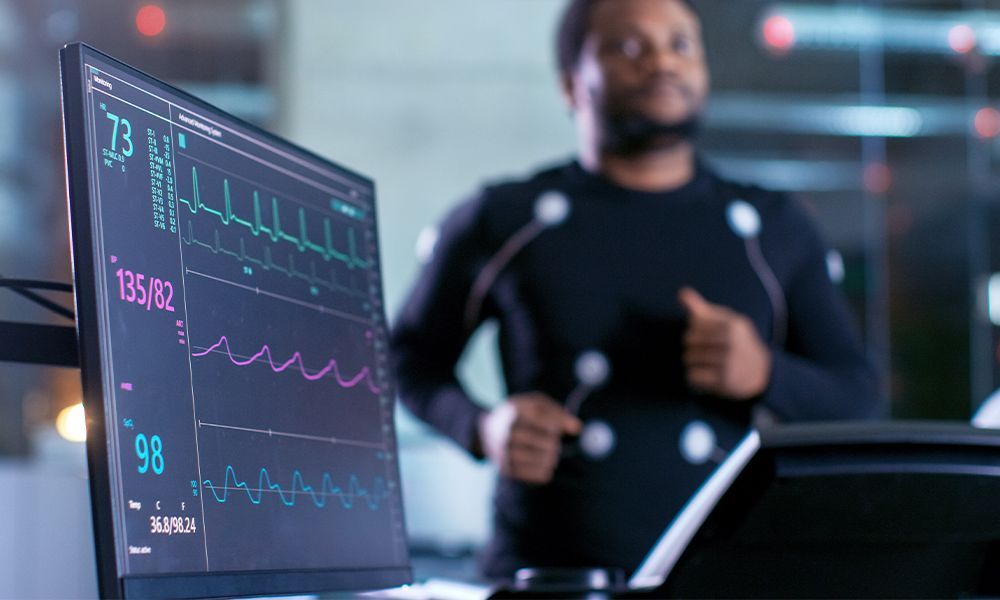
A nuclear stress test typically takes a few hours, although the exact duration varies. Your team will place electrodes on your chest to monitor your heart’s electrical activity and check your blood pressure. They administer the tracer, and a special camera captures images of your heart.
You may then exercise or receive stress medication before they take additional images, and the team monitors you carefully throughout the procedure.
Once the images are ready, your cardiologist will discuss the results and explain any recommended next steps.
If you have symptoms or risk factors for heart disease, you can discuss a nuclear stress test at the nearest Bay Cardiology office. Call today or use the online booking feature to learn more.