
Holter Monitoring
Holter Monitoring Services Offered in
If you experience a racing heartbeat, chest fluttering, dizziness, or unexplained fainting, cardiologist Bulent Zaim, MD, may recommend Holter monitoring at Bay Cardiology in Annapolis and Bowie, Maryland. This simple, noninvasive test records your heart’s electrical activity as you go about your daily routine, helping your healthcare team better understand how your heart beats over time. To identify potential rhythm problems that may not appear during a routine office visit, schedule a Holter monitoring consultation at Bay Cardiology
today. You can book online or call the nearest office to learn more.
Holter Monitoring FAQ's
What is Holter monitoring, and what heart conditions can a Holter monitor detect?
Unlike a standard electrocardiogram (ECG or EKG), which captures your heart rhythm for a short period, a Holter monitor tracks your heartbeat during everyday activities and sleep, typically for 24 to 48 hours.
A Holter monitor test can detect abnormal heart rhythms and also help the team investigate issues like:
- Heart palpitations
- Dizziness
- Fainting
- Unusually rapid heartbeat
You may benefit from Holter monitoring if your symptoms come and go or if your heart rhythm needs evaluation over an extended period.
How should I prepare for a Holter monitor test?
Before your appointment, shower if instructed, since you generally can’t get a standard Holter monitor wet once it’s attached. Wear comfortable clothing that allows easy access to your chest, and avoid applying lotions, oils, or creams to the area where the team will place the electrodes.
Tell the team about your medications, supplements, and any medical conditions you have. Don’t stop taking prescribed medications unless your healthcare provider specifically instructs you to do so.
What can I expect during Holter monitoring?
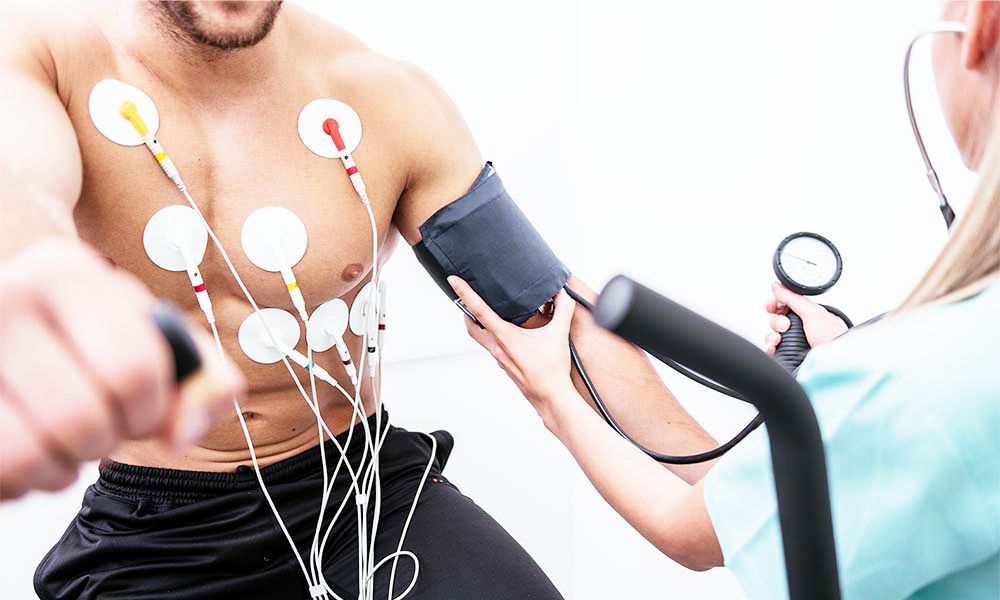
During your appointment, the team will attach small electrodes to your chest and connect them to a portable recording device. The monitor is lightweight and usually fits unobtrusively under your clothes.
You can generally continue your normal daily activities while wearing the device, including walking, working, and sleeping. You may need to avoid certain activities or anything that could get the monitor wet.
Keeping a diary of your activities and symptoms can help, noting when you experience palpitations, dizziness, or other concerns. This information helps Bay Cardiology compare your symptoms with your recorded heart rhythm.
What happens after Holter monitoring?
Once the monitoring period ends, return the device to Bay Cardiology or follow the removal instructions provided.
The team analyzes the recorded information to identify rhythm abnormalities and patterns that may explain your symptoms.
Your cardiologist will review the findings and discuss the results with you. If the Holter monitor doesn’t capture an episode, they may recommend longer-term heart rhythm monitoring.
If you have recurring palpitations, dizziness, or an unexplained irregular heartbeat, use the online booking feature or call the nearest Bay Cardiology location today to schedule a Holter monitoring consultation.