
Pacemakers
Pacemakers Services Offered in
If a slow or irregular heartbeat affects your energy, daily activities, and overall quality of life, Bulent Zaim, MD, and the Bay Cardiology team may recommend a pacemaker to help regulate your heart rhythm. With convenient offices in Annapolis and Bowie, Maryland, Dr. Zaim offers education on how pacemakers work, when you might need one, and what to expect during recovery. Bay Cardiology
offers in-office and remote monitoring, so don’t hesitate to schedule a consultation online or by phone now.
Pacemakers FAQ's
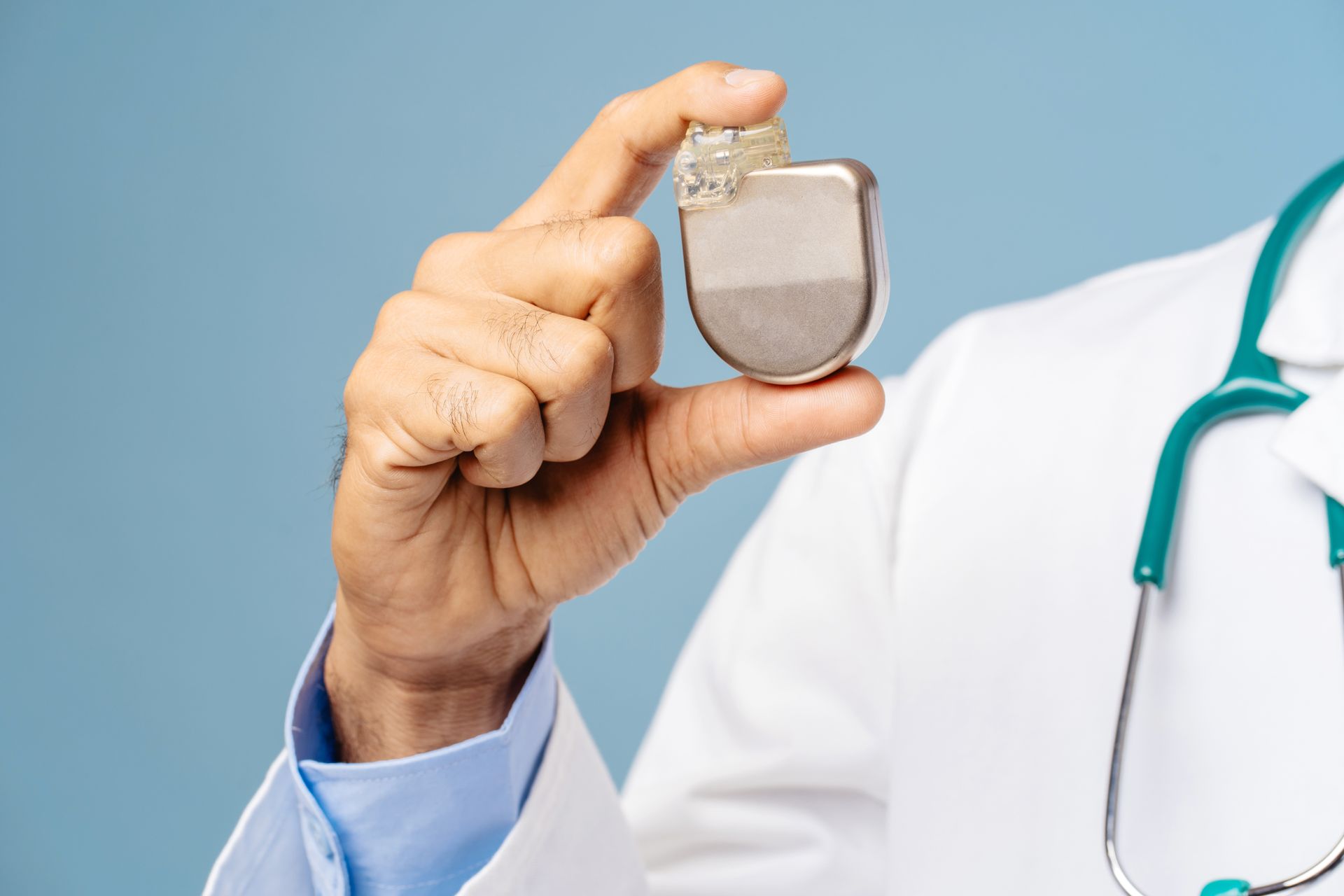
A pacemaker is a small electronic device that helps regulate your heartbeat when your heart’s natural electrical system doesn’t work properly. If your heartbeat becomes too slow or pauses unexpectedly, the pacemaker sends electrical signals to help maintain an appropriate heart rate.
Bay Cardiology offers in-office care and remote monitoring to track your heart health, evaluate device function, and identify potential concerns between scheduled visits.
What heart conditions can a pacemaker treat?
Bay Cardiology may recommend pacemakers to treat bradycardia, when your heart beats too slowly to meet your body’s needs. Pacemakers may also help manage sick sinus syndrome and certain types of heart block, which interfere with your heart’s electrical signals.
Some specialized devices, called cardiac resynchronization therapy devices, help coordinate the contractions of the heart’s lower chambers in some cases of heart failure. Your cardiologist will recommend a device based on your diagnosis and heart function.
What should I expect during pacemaker implantation?
You’ll go to a hospital or specialized cardiac facility for pacemaker surgery. With local anesthesia to keep you comfortable, the cardiologist typically makes a small incision near your collarbone. They place the generator under the skin and, as needed, guide leads through a blood vessel into your heart.
The team tests the device to confirm that it works correctly. Depending on your circumstances, you may go home the same day or stay overnight for observation. Before discharge, they’ll explain wound care, activity restrictions, and how they’ll monitor your pacemaker.
What is the recovery process like after pacemaker surgery?
You may be able to resume light daily activities within a few days. The Bay Cardiology team will explain how to care for your incision and which movements are safe as you heal. Follow-up care may include visits to the nearest office to assess healing, check device settings, and review your heart rhythm.
Remote pacemaker monitoring can supplement these visits by transmitting device information to your care team from home. This can help identify certain rhythm changes, device alerts, or battery concerns without requiring an immediate office visit for every check.
Remote monitoring doesn’t replace all in-office appointments or emergency care. Contact your cardiology team if you have concerns, and seek urgent medical attention for severe symptoms.
Call Bay Cardiology today or schedule a visit online to learn more about pacemakers.